
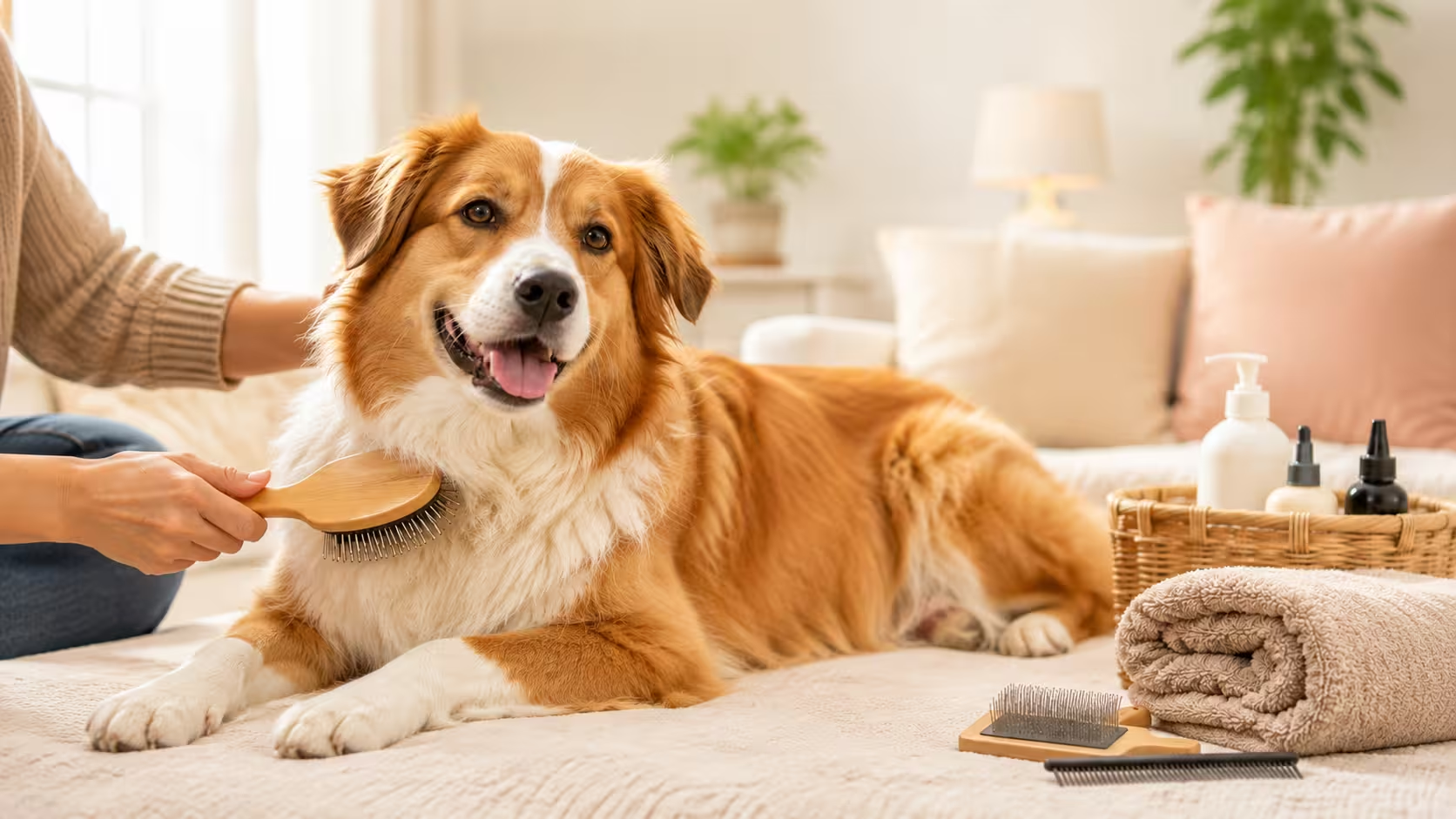
Regular grooming helps keep your dog’s coat, skin, nails, ears, and paws in good condition. It also gives you an opportunity to notice problems such as irritated skin, unusual lumps, excessive shedding, or sore paws.
How often your dog needs grooming depends on their breed, coat type, activity level, age, and health. Some dogs need little more than regular brushing and occasional baths, while others require much more coat maintenance.
This guide covers the basic grooming tasks you can safely handle at home and when it may be better to call a professional.
For an overview covering both cats and dogs, see our at-home pet grooming guide.
Disclosure: This post may contain affiliate links. As an Amazon Associate I earn from qualifying purchases.
Essential Dog Grooming Tools
You don’t need professional equipment for basic home grooming. A few appropriate tools are usually enough:
- A brush or comb suited to your dog’s coat
- Dog-specific shampoo
- Clean absorbent towels
- Dog nail clippers or a nail grinder
- Pet-safe ear cleaner when needed
- Treats for rewarding calm behavior
The right brush depends on the coat. Short-haired dogs may do well with a rubber or soft-bristle brush, while longer or thicker coats may require a slicker brush or undercoat tool.
| Grooming task | General starting point |
|---|---|
| Brushing | Weekly for many short coats; more often for long/thick coats |
| Bathing | As needed based on dirt, odor, coat and skin |
| Nail trimming | When nails click, snag, or reach the floor |
| Ear checks | Check regularly; clean only when appropriate |
| Skin & paws | Check during brushing and after outdoor activity |
How to Brush Your Dog
Brushing removes loose hair and dirt, helps prevent tangles, and gives you a chance to inspect your dog’s skin.
The ASPCA also recommends regular brushing as part of routine coat and skin care, with grooming frequency depending on your dog’s coat type.
Short-haired dogs may only need brushing about once a week, although heavy shedders can benefit from more frequent sessions.
Long-haired, curly, or thick-coated dogs usually need more attention. Pay particular attention behind the ears, under the front legs, around collars and harnesses, the belly, and the tail.
Work through small tangles gently rather than pulling.
If you find a tight mat, do not cut into it blindly with scissors because the dog’s skin may be pulled into the mat and injured. Do not force a comb through a painful or tightly matted area. If the mat does not loosen gently, is close to the skin, or covers a large area, ask a professional groomer or veterinarian to remove it safely. Regular brushing can help prevent tangles from developing into dense mats; see the ASPCA’s dog-grooming guidance.
How to Bathe Your Dog at Home
Dogs generally need baths when they become dirty, develop an odor, or according to the needs of their coat and skin.
Brush your dog before bathing to remove loose fur and tangles. Use lukewarm water and a shampoo specifically formulated for dogs.
Wet the coat thoroughly, avoiding the eyes, ears, and nose. Gently work shampoo through the coat and rinse until no residue remains.
Afterward, towel-dry your dog thoroughly and keep them somewhere comfortable while the coat finishes drying.
If you use a pet dryer, introduce it gradually and avoid very hot air close to the skin.
Dogs with allergies, persistent itching, or other skin problems may need a particular shampoo or bathing routine recommended by a veterinarian.
Use a shampoo formulated specifically for dogs. Some ingredients and fragrances in human shampoos can irritate a dog’s skin, while products made for other animal species may contain unsuitable ingredients. If your dog has persistent itching, allergies, sores, or another diagnosed skin condition, ask your veterinarian which shampoo is appropriate. See the ASPCA’s dog-grooming guidance for additional bathing and shampoo advice.
How to Trim Your Dog’s Nails
Overgrown nails can become uncomfortable and may affect how your dog walks.
Clicking against hard floors, snagging on surfaces, or nails touching the floor while your dog is standing can indicate that it’s time for a trim.
You can use dog nail clippers or a nail grinder. Inside each nail is the quick, which contains nerves and blood vessels. Cutting into it can cause pain and bleeding. With light-colored nails, the quick may be visible; with dark nails, trim only very small amounts at a time. If you cannot identify a safe stopping point, ask your veterinarian or a professional groomer for help. For detailed instructions, see VCA Animal Hospitals’ dog nail-trimming guide.
Trim only small amounts at a time, especially with dark nails where the quick is difficult to see.
If your dog dislikes nail trimming, you don’t need to finish every paw in one session. Short sessions with treats and breaks can make the process much easier.
If you’re unsure where it is safe to cut, ask a veterinarian or professional groomer to demonstrate.
Check Your Dog’s Ears
Grooming time is a good opportunity to inspect your dog’s ears.
Healthy ears should not have a strong odor, discharge, redness, swelling, or obvious tenderness. Head shaking, frequent scratching, pain, unusual odor, or discharge can indicate an ear problem that needs veterinary attention. If the ear is red, inflamed, or painful, contact your veterinarian before attempting to clean it.
Frequent head shaking, scratching, sensitivity, odor, or discharge can indicate an ear problem that should be checked by a veterinarian.
Not every dog needs routine ear cleaning, and cleaning too often can cause irritation. When cleaning is appropriate, use a veterinarian-approved dog ear cleaner and follow its directions. Wipe only the areas you can easily see with cotton or gauze. Do not insert cotton swabs into the ear canal because they can push debris deeper or cause injury. See VCA Animal Hospitals’ dog ear-cleaning instructions for detailed veterinary guidance.
Check the Skin and Paws
While brushing or bathing your dog, look over the skin and paws too.
Watch for redness, sores, bald patches, unusual lumps, excessive scratching, cracked paw pads, or debris between the toes.
Dogs that spend a lot of time outdoors may pick up small burrs, thorns, or other debris during walks.
During warm weather, also check whether walking surfaces are safe before taking your dog outside. Our summer paw-protection guide explains how to avoid hot pavement, introduce protective boots, recognize possible paw-pad burns, and respond to signs of injury.
Persistent itching, unexplained hair loss, skin sores, or unusual lumps should be evaluated by a veterinarian rather than treated simply as grooming problems.
Make Grooming Less Stressful
If your dog isn’t accustomed to grooming, introduce each activity gradually.
Let them investigate the brush or nail clippers first. Practice briefly touching their paws, ears, and coat, then reward calm behavior with praise or treats.
Keep early sessions short and stop before your dog becomes frustrated.
For nail trimming in particular, simply practicing comfortable paw handling for a few days can make the actual trimming much easier later.
Never punish your dog for being afraid of grooming equipment. If they become extremely frightened or defensive, stop and try again later.
When to Use a Professional Groomer
Home grooming works well for many routine tasks, but some jobs are safer for a professional.
Severe matting, breed-specific haircuts, clipping close to sensitive skin, difficult nail trims, and very thick or complicated coats may require professional grooming.
You should also seek help if your dog becomes so frightened or aggressive that either of you could be injured.
Skin sores, persistent itching, ear discharge, unusual lumps, and other possible medical problems should be evaluated by a veterinarian rather than a groomer.
Final Thoughts
Grooming your dog at home doesn’t need to be complicated. Regular brushing, appropriate bathing, comfortable nail length, and simple checks of the ears, skin, and paws can cover much of your dog’s routine grooming needs.
Use tools designed for dogs, work gradually, and pay attention to your dog’s body language. When a grooming task feels unsafe or beyond your experience, a professional groomer or veterinarian is the better choice.
You can also explore more dog care and clothing guides.
Frequently Asked Questions
How often should I brush my dog?
It depends on the coat. Short-haired dogs may only need weekly brushing, while long-haired, curly, thick-coated, or heavily shedding dogs often need more frequent grooming.
How often should I bathe my dog?
There is no single schedule for every dog. Bathe when needed based on dirt, odor, activity, coat type, and skin condition rather than automatically bathing every week.
Can I use human shampoo on my dog?
It’s better to use shampoo formulated specifically for dogs. Human products may contain fragrances or other ingredients that can irritate a dog’s skin.
How do I know when my dog’s nails are too long?
Clicking on hard floors, snagging, or nails touching the ground while your dog is standing are common signs that they need attention.
Should I clean my dog’s ears every week?
Not necessarily. Some dogs require regular cleaning while others rarely need it. Inspect the ears regularly and clean them only when appropriate.