
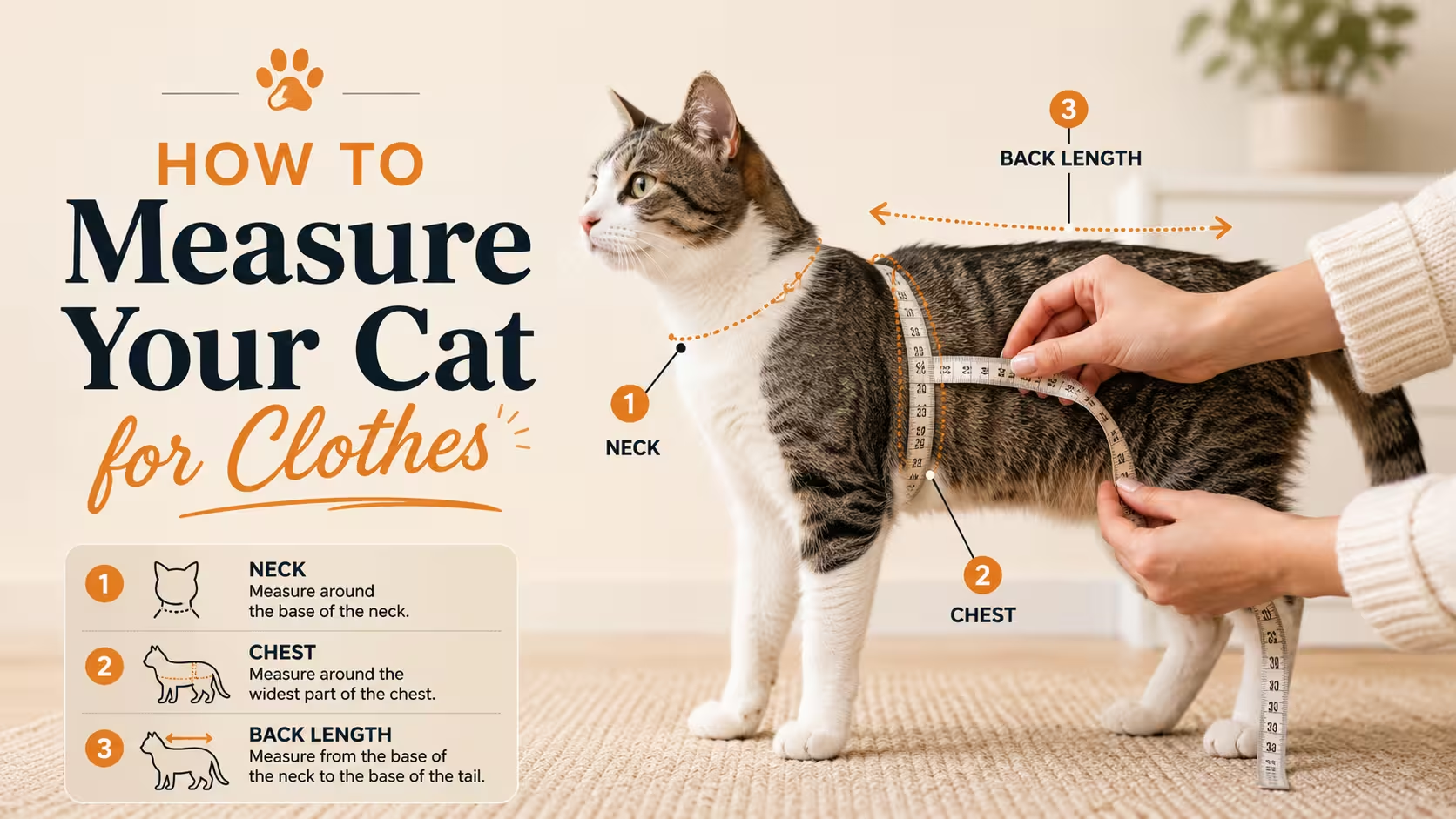
Finding clothes that fit a cat comfortably can be tricky. Cat clothing sizes are not standardized, so a small from one brand may fit very differently from a small made by another. The safest way to choose a size is to measure your cat first and compare those measurements with the specific brand’s size chart.
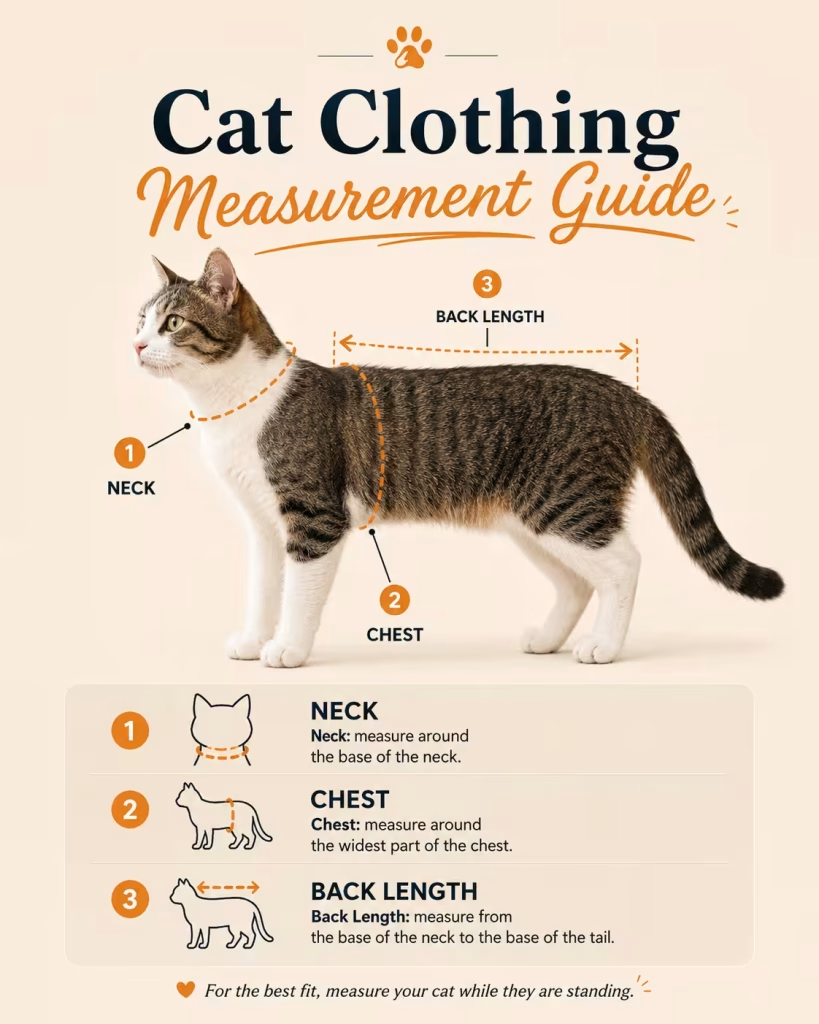
For most cat sweaters, shirts, costumes, jackets, and harness-style clothing, the three measurements that matter most are neck, chest or girth, and back length.
Why Measuring Your Cat Matters
Cats need enough room to walk, stretch, sit, groom, and move naturally. Clothing that is too tight can restrict movement or rub around the neck and legs, while clothing that is too loose can twist, slide around, or become something your cat can catch a paw in.
Measurements are more useful than simply choosing a size based on your cat’s weight. Two cats that weigh the same can have very different body shapes and proportions.
Always treat the manufacturer’s size chart as the final sizing guide.
What You Need
A soft fabric measuring tape works best because it can follow the shape of your cat’s body. If you do not have one, use a piece of string or ribbon and then measure it against a ruler.
Try to measure your cat when they are calm and standing naturally. If your cat becomes stressed or tries to get away, stop and try again later rather than forcing the process.
1. How to Measure Your Cat’s Neck
Measure around the base of the neck, approximately where a collar would normally sit.
Keep the measuring tape snug enough to follow the body without pulling it tight. You should be able to fit a finger or two comfortably between the tape and your cat.
The neck measurement is particularly important for clothing with collars, hood openings, or narrow neck openings.
2. How to Measure Your Cat’s Chest or Girth
The chest, sometimes called the girth, is usually one of the most important measurements for cat clothing.
Wrap the measuring tape around the widest part of your cat’s chest, normally just behind the front legs. Keep the tape level around the body rather than letting it angle forward or backward.
Again, the tape should be snug but should not compress the fur or body.
If your cat’s measurements fall into different sizes on a brand’s chart, the chest measurement often deserves the most attention because clothing that is too tight around the torso can restrict movement.
3. How to Measure Your Cat’s Back Length
Measure from the base of the neck to the base of the tail while your cat is standing.
Start around the point where the neck meets the shoulders and run the tape along the back until you reach the point where the tail begins.
Do not include the tail itself.
Back length is especially useful for sweaters, coats, pajamas, and costumes that cover most of the body.
Should You Measure Your Cat’s Weight?
Some manufacturers include weight in their sizing charts. Weight can be helpful, but it should usually be treated as a secondary measurement rather than your only guide.
If you do not know your cat’s weight, you can weigh yourself while holding your cat and then subtract your own weight.
For clothing, actual neck, chest, and body measurements generally provide a better indication of fit than weight alone.
Tips for Getting Accurate Measurements
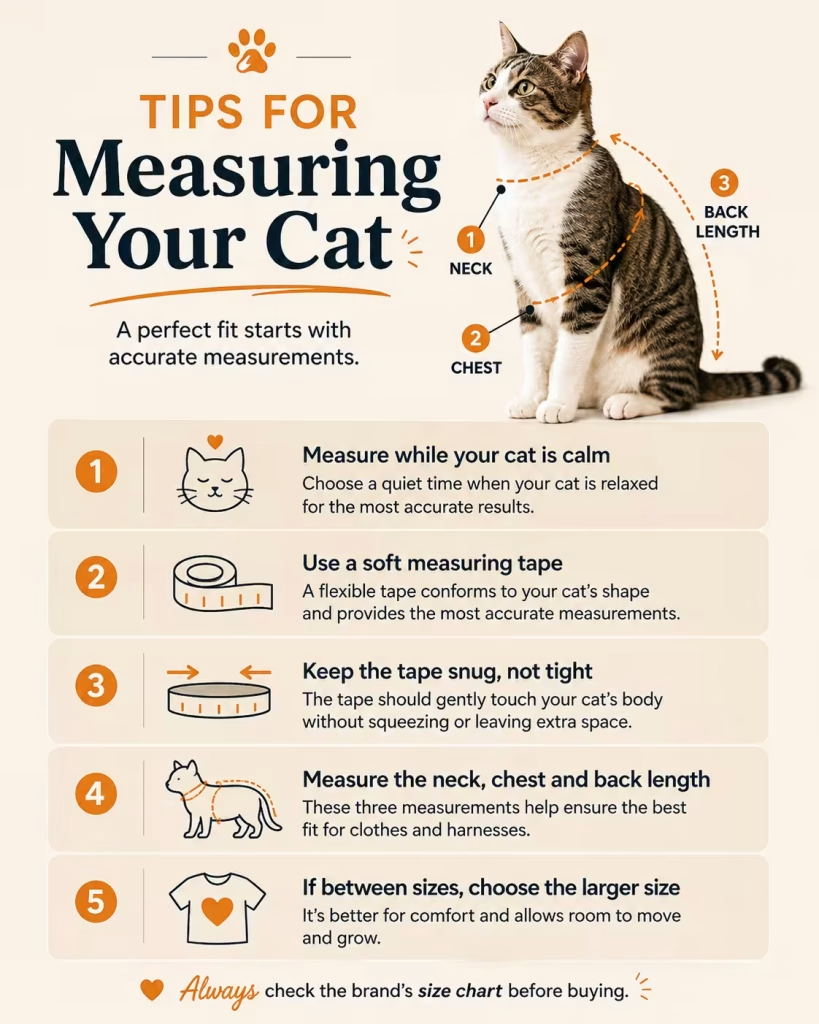
A few small details can make your measurements much more reliable:
- Measure when your cat is relaxed and standing naturally.
- Use a flexible fabric measuring tape whenever possible.
- Keep the tape snug, but never tight.
- Take each measurement twice if your cat moves during the process.
- Write the measurements down immediately.
- Check the size chart for the exact product or brand you plan to buy.
For long-haired cats, avoid compressing thick fur excessively while measuring. The goal is to estimate how the clothing will fit comfortably over your cat’s natural coat.
What If Your Cat Is Between Sizes?
If your cat falls between two sizes, avoid automatically choosing the smaller size just because it may look more fitted.
For clothing with little or no stretch, the larger size is often the safer choice for comfort and movement. Stretchy fabrics may offer more flexibility, but you should still follow the manufacturer’s recommendations.
Chest size is especially important. If the chest measurement indicates a larger size than the neck or back measurement, it is usually better to make sure the garment has enough room around the body.
How Cat Clothes Should Fit
Well-fitting cat clothing should stay in place without squeezing the body.
Your cat should be able to walk normally, sit, lie down, and turn around without the garment pulling or bunching excessively. Check the neck opening, chest, and leg openings for rubbing or pressure.
You should also watch your cat’s behavior. If they freeze, crouch unusually, try repeatedly to remove the clothing, or appear uncomfortable, take the item off.
Some cats simply do not tolerate clothing, and that is okay. Clothing should never be forced on a cat that is clearly distressed by it.
If your cat is new to wearing clothing, introduce it gradually and keep the first sessions short. Our guide on how to train your cat to wear clothes has some practical tips for making the process easier.
Measuring for Costumes and Seasonal Clothing
Accurate measurements are especially helpful when choosing Halloween cat costumes, since costumes may include straps, sleeves, capes, or other pieces that can affect movement.
You can see more ideas and safety considerations in our Halloween Cat Costume Tips guide.
The same principle applies to sweaters and other seasonal items: comfort and freedom of movement should always matter more than achieving a tight or decorative fit.
Common Measuring Mistakes
One of the most common mistakes is buying clothing based only on a size label such as small or medium. Those labels can vary considerably between manufacturers.
Other mistakes include measuring while the cat is curled up or sitting, pulling the measuring tape too tightly, relying only on weight, and assuming that a size that worked for one brand will fit the same way in another.
Taking a few minutes to measure again before ordering can prevent many sizing problems.
Frequently Asked Questions
What is the most important measurement for cat clothes?
For many garments, the chest or girth is particularly important because the clothing needs enough room around the widest part of the body. However, neck and back length should also be compared with the manufacturer’s size chart.
How tight should the measuring tape be?
The tape should rest snugly against your cat without squeezing the body or compressing the fur. It should not leave marks or restrict movement.
Should I size up if my cat is between sizes?
For clothing that does not stretch, choosing the larger size is often more comfortable. Always check the brand’s instructions because sizing systems vary.
Can I use my cat’s weight to choose clothing?
Weight can help narrow down a size, but body measurements are more reliable. Cats with the same weight can have very different chest sizes and body lengths.
Final Thoughts
Learning how to measure your cat for clothes takes only a few minutes and can make choosing the right size much easier.
Focus on the neck, chest, and back length, measure while your cat is standing calmly, and compare those numbers with the specific manufacturer’s size chart before ordering.
Above all, choose comfort over a tight fit. The best piece of cat clothing is one that allows your cat to move naturally and comfortably.