
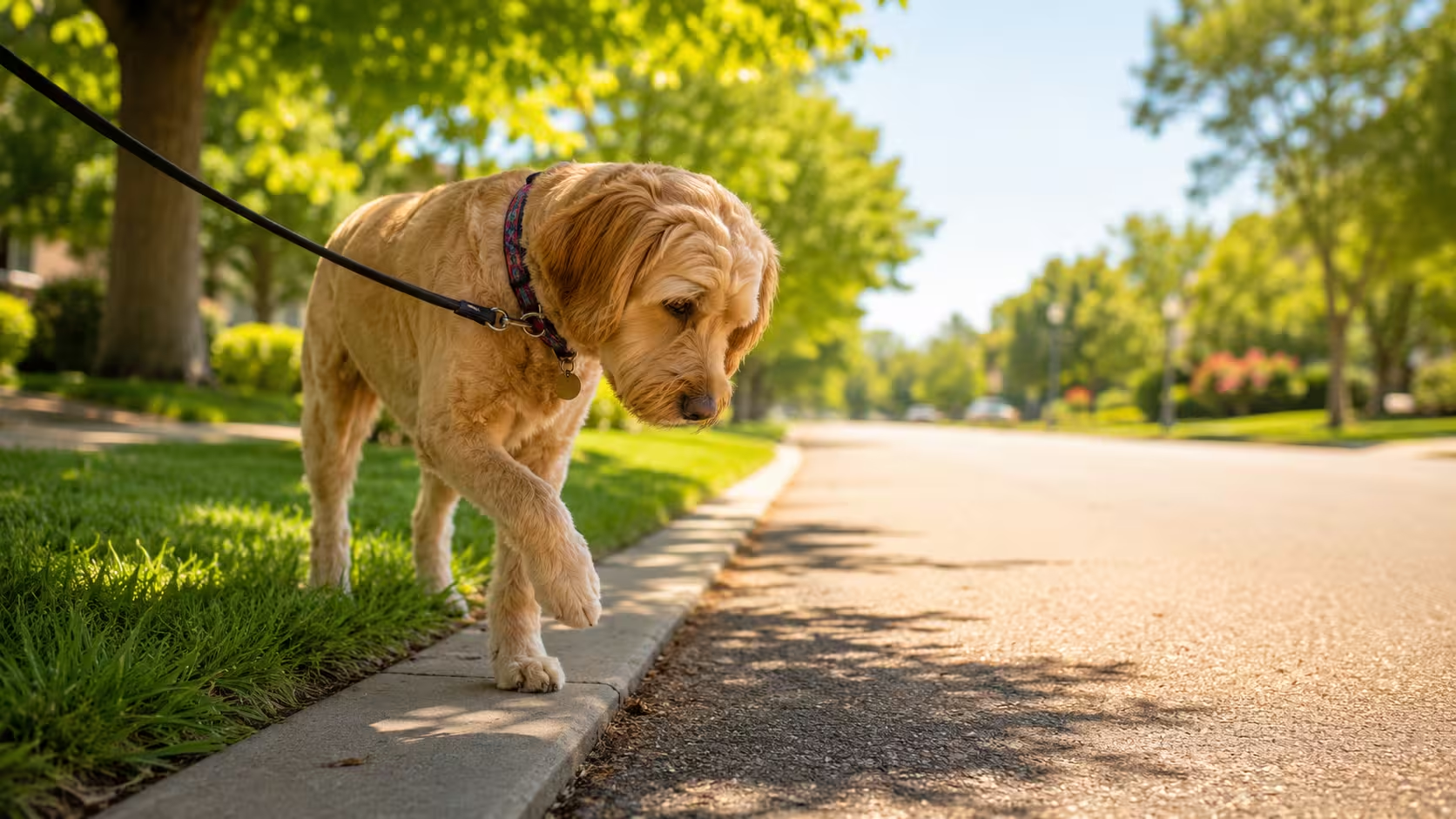
Summer pavement can become dangerously hot for a dog’s paws. Asphalt, concrete, sand, artificial turf, and other surfaces may heat up quickly in direct sun—even when the air temperature doesn’t seem extreme.
The safest approach is to reduce your dog’s exposure to hot surfaces, walk during cooler parts of the day, and check their paw pads regularly for signs of irritation.
In this guide, we’ll cover how to tell when pavement may be too hot, practical ways to protect your dog’s paws, signs of paw-pad burns, and when to contact your veterinarian.
Disclosure: This post may contain affiliate links. As an Amazon Associate I earn from qualifying purchases.
Why Hot Pavement Is Dangerous for Dogs
Dog paw pads are tougher than human skin, but they are not heatproof.
Surfaces such as asphalt can become much hotter than the surrounding air. The American Kennel Club notes that when air temperatures are in the mid-80s, pavement temperatures can rise high enough to cause discomfort, blisters, and burns.
Hot pavement can also contribute to your dog overheating because they are walking close to a heat-radiating surface.
Puppies, small dogs, and dogs that are not accustomed to warm-weather walks may be especially sensitive.
How to Tell if Pavement Is Too Hot
You do not need special equipment to do a quick pavement check.
Place the back of your hand firmly on the walking surface for seven seconds. If you cannot comfortably keep it there, choose a cooler surface or wait until the ground cools. This is a practical screening check—not a guarantee that a surface is safe—so watch your dog for discomfort and avoid questionable surfaces. See the American Animal Hospital Association’s hot-pavement guidance.
Remember to test the actual surface your dog will be using. Asphalt, concrete, sand, artificial turf, and metal surfaces can all heat differently.
When in doubt, choose grass, shade, or wait until the surface cools.
Walk During Cooler Parts of the Day
One of the easiest ways to protect your dog’s paws is simply to change when you walk.
During hot weather, aim for:
- Early morning walks
- Later evening walks
- Shady routes
- Grass or dirt instead of asphalt when possible
Avoid long walks during the hottest part of the afternoon.
The ASPCA specifically recommends minimizing time on hot asphalt during very warm weather because sensitive paw pads can burn.
If you need to take your dog outside briefly during peak heat, choose the coolest available surface and keep the outing short.
Consider Dog Boots for Hot Pavement
Dog boots can create a physical barrier between your dog’s paws and hot surfaces.
Look for boots that:
- Fit snugly without being tight
- Have a durable protective sole
- Stay securely in place
- Allow your dog to move normally
- Are suitable for warm-weather use
Avoid assuming that winter boots are automatically ideal for summer. Heavy or poorly ventilated footwear may become uncomfortable in hot conditions.
Dogs need time to adjust to wearing boots because footwear changes the sensations they receive through their paws. Begin with very short indoor sessions before expecting your dog to walk comfortably outside. The gradual process in our guide to training your dog to wear clothes can also be used when introducing protective dog boots.
Can Paw Balm Help in Summer?
Paw balms can help moisturize dry or cracked paw pads and may provide a light protective barrier against rough surfaces.
However, paw balm should not be treated as a substitute for avoiding dangerously hot pavement.
If a surface is too hot for your hand, adding balm does not make it safe for your dog to walk on.
Think of balm as part of general paw care rather than heat protection for extreme temperatures.
Check Your Dog’s Paws After Walks
Summer walks are a good reason to make paw checks part of your routine.
After walking, look at the paw pads and between the toes for:
- Redness
- Swelling
- Cracks
- Blisters
- Loose or peeling skin
- Cuts
- Small stones or debris
- Excessive tenderness
Also pay attention to behavior.
A dog with sore paws may:
- Limp
- Walk unusually slowly
- Repeatedly lift a paw
- Lick or chew the feet
- Refuse to continue walking
Regular paw checks can be included in your dog’s normal grooming routine, especially after outdoor walks. Our guide to grooming your dog at home explains how to inspect the paws, skin, coat, nails, and ears while handling your dog calmly.
VCA notes that limping or persistent paw licking can be signs of a burned or otherwise injured foot pad.
Signs of a Paw-Pad Burn
Hot pavement can cause anything from mild irritation to serious burns.
Possible signs include:
- Red or unusually dark paw pads
- Blistering
- Peeling skin
- Swelling
- Raw or exposed tissue
- Limping
- Persistent licking
- Pain when the paw is touched
The ASPCA also lists blisters, loose skin, and red or ulcerated areas as warning signs of summer paw burns.
If you notice these signs after a hot-weather walk, move your dog off the hot surface immediately.
What to Do if Your Dog Burns a Paw
If you suspect a paw-pad burn, immediately move your dog off the hot surface and into a cool or shaded area. Gently rinse the affected paw with cool water. Do not apply ice, extremely cold water, ointments, balms, or other treatments unless directed by your veterinarian, because inappropriate treatment may worsen the injury. Contact your veterinarian for advice, especially if you notice blistering, discoloration, peeling or exposed tissue, significant pain, or persistent limping. See the American Animal Hospital Association’s paw-burn first-aid guidance.
Contact your veterinarian if:
- Your dog is limping significantly
- Blisters develop
- Skin is peeling or raw
- The paw is discolored
- Tissue underneath the pad is exposed
- Your dog seems very painful
- Symptoms are not improving
Don’t Forget General Summer Heat Safety
Protecting the paws is only one part of summer safety.
Hot pavement can contribute to your dog’s overall body temperature rising, so watch for signs of overheating as well.
These can include:
- Excessive panting
- Heavy drooling
- Weakness
- Restlessness
- Difficulty walking
- Vomiting
- Confusion or collapse
Overheating can become a medical emergency. If your dog shows difficulty breathing, marked weakness, confusion, vomiting, collapse, seizures, or other severe symptoms, move them out of the heat and contact a veterinarian immediately. Do not wait for symptoms to resolve on their own. See the ASPCA’s hot-weather safety guidance for additional warning signs and prevention advice.
Always carry water during longer summer outings and give your dog access to shade and a cool place to rest.
Dogs with flat faces, older dogs, overweight dogs, and dogs with certain medical conditions may overheat more easily and need additional caution in hot weather.
A Simple Summer Paw-Care Routine
You do not need a complicated routine to protect your dog’s paws.
Before a walk:
- Check the pavement temperature.
- Choose a cooler route or time of day.
- Use properly fitted boots when appropriate.
After a walk:
- Inspect the paw pads.
- Check between the toes for debris.
- Wipe the paws clean if necessary.
- Apply a pet-safe paw moisturizer if the pads are dry.
- Watch for licking, limping, or tenderness.
A few minutes of prevention can help avoid a painful paw injury.
Final Thoughts
The best way to protect your dog’s paws in summer is to avoid hot surfaces whenever possible.
Walk early or late in the day, choose grass and shade, test pavement before letting your dog walk on it, and use boots when conditions make them useful.
Paw balm can help with dryness and cracking, but it does not make dangerously hot pavement safe.
Most importantly, pay attention to your dog. If they begin lifting their paws, slowing down, limping, or trying to leave the surface, end the walk and move somewhere cooler.
You can also explore more dog care and seasonal guides.
Frequently Asked Questions
How hot is too hot for a dog’s paws?
There is no single air temperature that guarantees pavement is safe. Ground temperature depends on sunlight, surface type, and how long it has been heating. Test the actual surface before walking.
Does the seven-second pavement test work?
It is a useful quick screening check. Place the back of your hand firmly on the surface for seven seconds. If you cannot keep it there comfortably, choose another surface or wait until it cools. Conditions vary, so this test should be combined with caution and attention to your dog’s behavior.
Do dog boots protect paws from hot pavement?
Properly fitted boots with protective soles can help reduce direct contact with hot surfaces. Your dog should be introduced to them gradually and the boots should be appropriate for warm weather.
Can paw balm prevent burns from hot pavement?
Paw balm may help moisturize and protect dry paw pads, but it cannot make dangerously hot pavement safe to walk on.
What should I do if my dog burns a paw?
Move your dog off the hot surface, cool the paw with room-temperature water, and contact your veterinarian if you see blisters, discoloration, exposed tissue, significant pain, or persistent limping.