

Most cats are not naturally comfortable wearing clothing. A sweater, recovery garment, harness-style outfit, or Halloween costume can feel strange at first, especially if your cat has never worn anything around their body.
The best approach is to introduce clothing slowly and positively, using short sessions and plenty of patience. Some cats adjust quickly, while others may tolerate clothing only briefly—or may never become comfortable with it at all.
The goal is not to force your cat to accept clothing. It is to help them become familiar with it while paying close attention to their comfort and behavior.
Start With Clothing That Fits Properly
Before training begins, make sure the garment is the correct size.
Clothing that is too tight may restrict movement or rub around the neck, chest, or legs. Clothing that is too loose can shift, twist, or allow a paw to become caught.
For most cat clothing, check three important measurements:
- Neck
- Chest or girth
- Back length
If you haven’t measured your cat yet, see our guide on how to measure your cat for clothes before choosing a size.
For your cat’s first experience with clothing, choose something lightweight and simple. Avoid complicated costumes, tight sleeves, hoods, dangling decorations, or anything that interferes with normal movement.
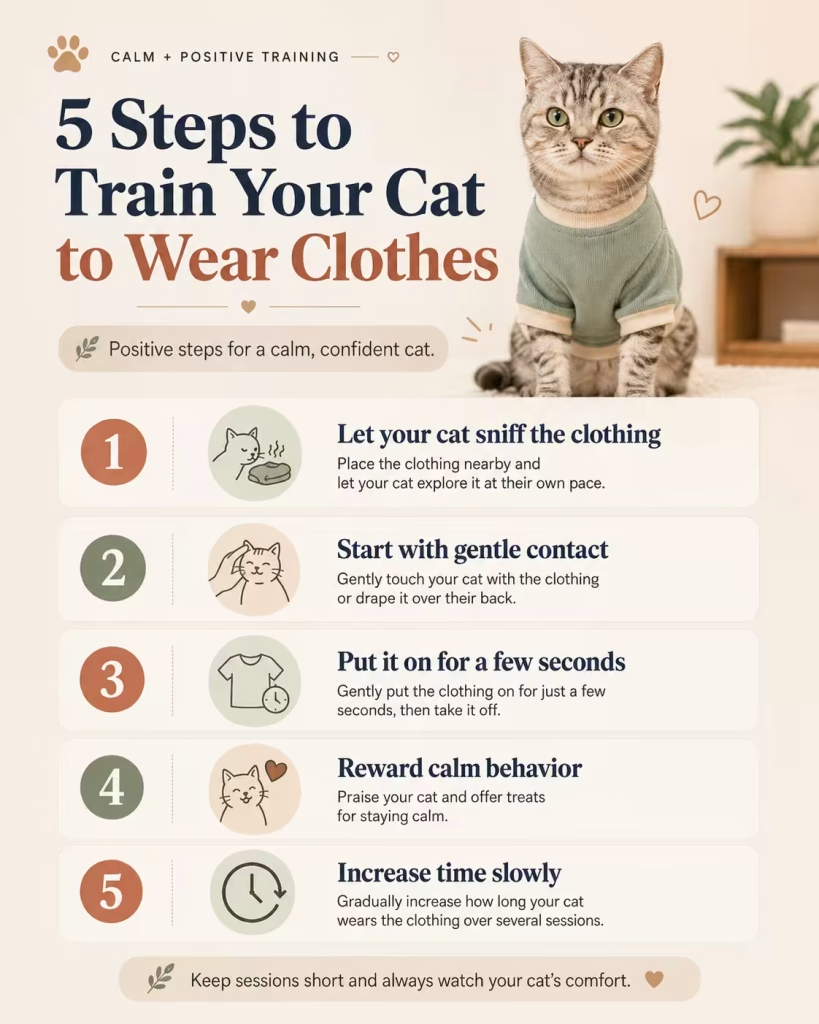
Step 1: Let Your Cat Sniff the Clothing
Start by placing the clothing near your cat and letting them investigate it at their own pace. Allow them to sniff, touch, or walk around it without trying to put it on right away.
If your cat approaches the garment calmly, reward that behavior with a small treat, gentle praise, or another reward they enjoy. The goal is to make the clothing feel familiar and non-threatening before it ever touches their body.
Step 2: Start With Gentle Contact
Once your cat seems comfortable around the clothing, gently touch it to their back or shoulders for a few seconds. You can also loosely drape it over them without fastening anything.
Keep this interaction short and relaxed. If your cat stays calm, remove the clothing and offer a reward. Repeat this over several brief sessions until the contact no longer seems unusual.
If your cat walks away, becomes tense, or tries to avoid the garment, stop and try again later.
Step 3: Put It On for a Few Seconds
When your cat is comfortable with the clothing touching their body, try putting it on properly for the first time.
Keep the first wearing session very short—just a few seconds may be enough. Remove the garment before your cat becomes frustrated or starts trying to escape from it.
Ending the session while your cat is still calm helps make the experience more positive.
Step 4: Reward Calm Behavior
While your cat is wearing the clothing, reward calm behavior with something they enjoy.
This could be:
- A favorite treat
- Gentle praise
- Petting
- A favorite toy
- Brief playtime
Positive reinforcement helps your cat associate wearing the garment with something pleasant.
Never punish your cat for resisting clothing or hold them down to keep the outfit on. If they become stressed, remove it and try again another time.
Step 5: Increase Time Slowly
Once your cat can comfortably wear the clothing for a few seconds, gradually increase the amount of time over several sessions.
For example:
- A few seconds
- 30 seconds
- One minute
- Several minutes
- Longer only if your cat remains comfortable
There is no fixed schedule. Some cats may adjust quickly, while others may need days or weeks.
Always move at your cat’s pace and watch their body language carefully. If they begin showing signs of stress or discomfort, shorten the session or remove the clothing.
Tip: Keep training sessions short and positive, and always prioritize your cat’s comfort over how long they can wear the outfit.
Signs Your Cat May Be Uncomfortable
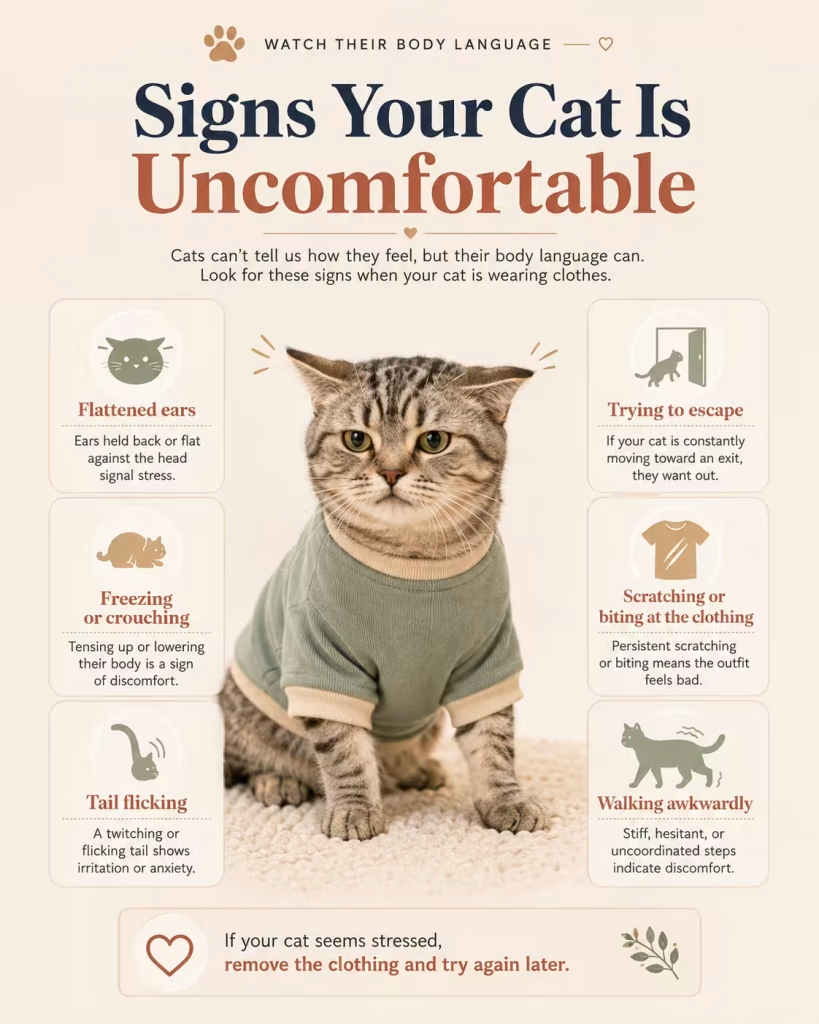
Always pay attention to your cat’s body language while they are wearing clothing.
Remove the garment if your cat repeatedly shows signs such as:
- Trying to bite or pull the clothing off
- Hiding or attempting to escape
- Flattened ears
- Persistent tail flicking
- Unusual crouching
- Freezing and refusing to move
- Difficulty walking normally
- Repeatedly scratching at the garment
Also inspect the clothing itself. Make sure seams, straps, sleeves, or openings are not rubbing or restricting movement.
Some cats simply do not tolerate clothing well. If your cat remains distressed despite gradual introductions, it is better to stop than to continue forcing the issue.
How Long Should a Cat Wear Clothes?
There is no single amount of time that works for every cat.
For costumes and decorative clothing, short supervised sessions are usually enough. Your cat does not need to remain dressed for hours simply for the sake of wearing an outfit.
Never leave your cat unattended in clothing that could catch on furniture, twist around the body, or restrict movement.
If clothing is being used for a specific practical purpose, continue checking the fit and your cat’s comfort regularly.
Training Your Cat for a Halloween Costume
Halloween costumes can be more challenging than a simple sweater because they may include straps, sleeves, capes, hats, or decorative pieces.
If you’re planning to dress your cat for Halloween, start introducing the costume well before the day you want to use it.
Begin with the simplest part of the outfit and gradually build up from there.
For cat-specific outfit and accessory ideas, explore our Halloween cat costume guide. For broader advice about costume selection, sizing, fit, and supervision, read our guide to dressing your pet for Halloween.
Common Mistakes to Avoid
Putting the clothing on immediately
Give your cat time to investigate a new garment before asking them to wear it.
Starting with long sessions
A few comfortable seconds are much more useful than several stressful minutes.
Using the wrong size
Check the neck, chest, back length, and leg openings before beginning training.
Ignoring your cat’s behavior
If your cat is becoming increasingly stressed, continuing the session is unlikely to help.
Assuming every cat will eventually enjoy clothing
Some cats may tolerate clothing, some may enjoy certain garments, and others may never become comfortable wearing them. Respecting that difference is important.
Frequently Asked Questions
Can cats be trained to wear clothes?
Some cats can gradually become comfortable wearing simple clothing through short introductions and positive reinforcement. Others may never enjoy it, so training should always depend on the individual cat.
How do I get my cat used to a sweater?
Let your cat investigate the sweater first. Then briefly place it against their body before progressing to very short wearing sessions. Increase the time gradually only while your cat remains comfortable.
Why does my cat freeze when I put clothes on them?
The unfamiliar sensation can sometimes cause a cat to freeze or crouch. Check that the clothing is not too tight or interfering with movement. If your cat remains uncomfortable, remove it and try again later.
Should cats wear clothes all day?
Decorative clothing and costumes generally do not need to be worn for long periods. Supervise your cat and remove the garment if it interferes with movement, grooming, or normal behavior.
Final Thoughts
Training your cat to wear clothes should be a gradual process built around patience and positive experiences.
Start with a properly fitted garment, let your cat investigate it, introduce it for only a few seconds at first, and gradually increase the wearing time only if your cat remains relaxed.
Most importantly, respect your cat’s limits. Success does not mean getting every cat to wear clothing for long periods. It means making sure that any clothing your cat does wear is comfortable, safe, and as stress-free as possible.
For more practical advice, seasonal ideas, and cat-related guides, you can also explore our Cat Guides.