
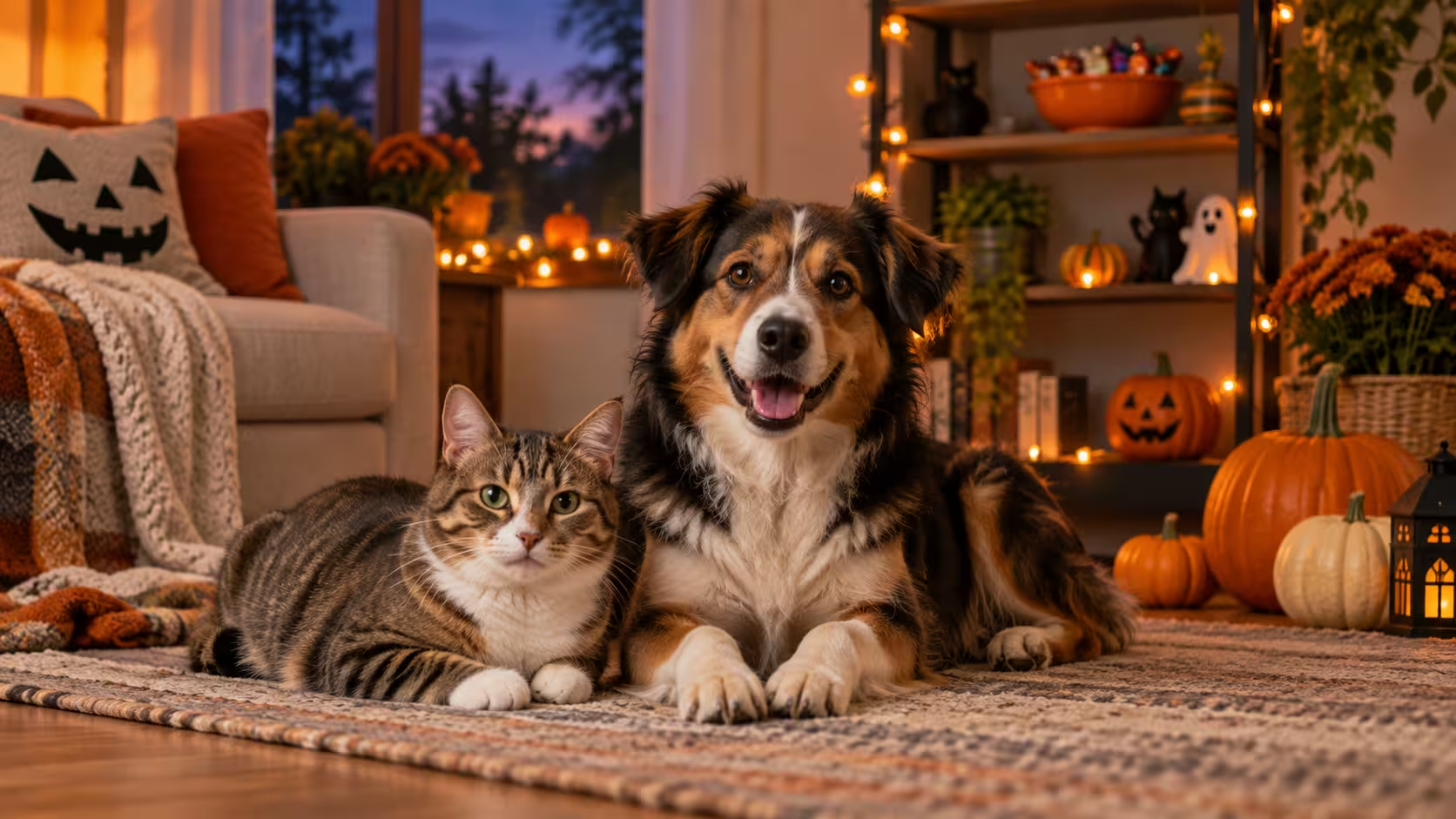
Halloween can be fun for people, but the costumes, candy, decorations, visitors, and constant doorbell activity can be stressful—or even dangerous—for cats and dogs. A little preparation can make the evening much safer and more enjoyable for your pet.
In this guide, we’ll cover Halloween candy and food hazards, costume safety, decorations, trick-or-treaters, outdoor risks, and simple ways to give your cat or dog a quiet place to relax during the festivities.
Keep Halloween Candy Away from Pets
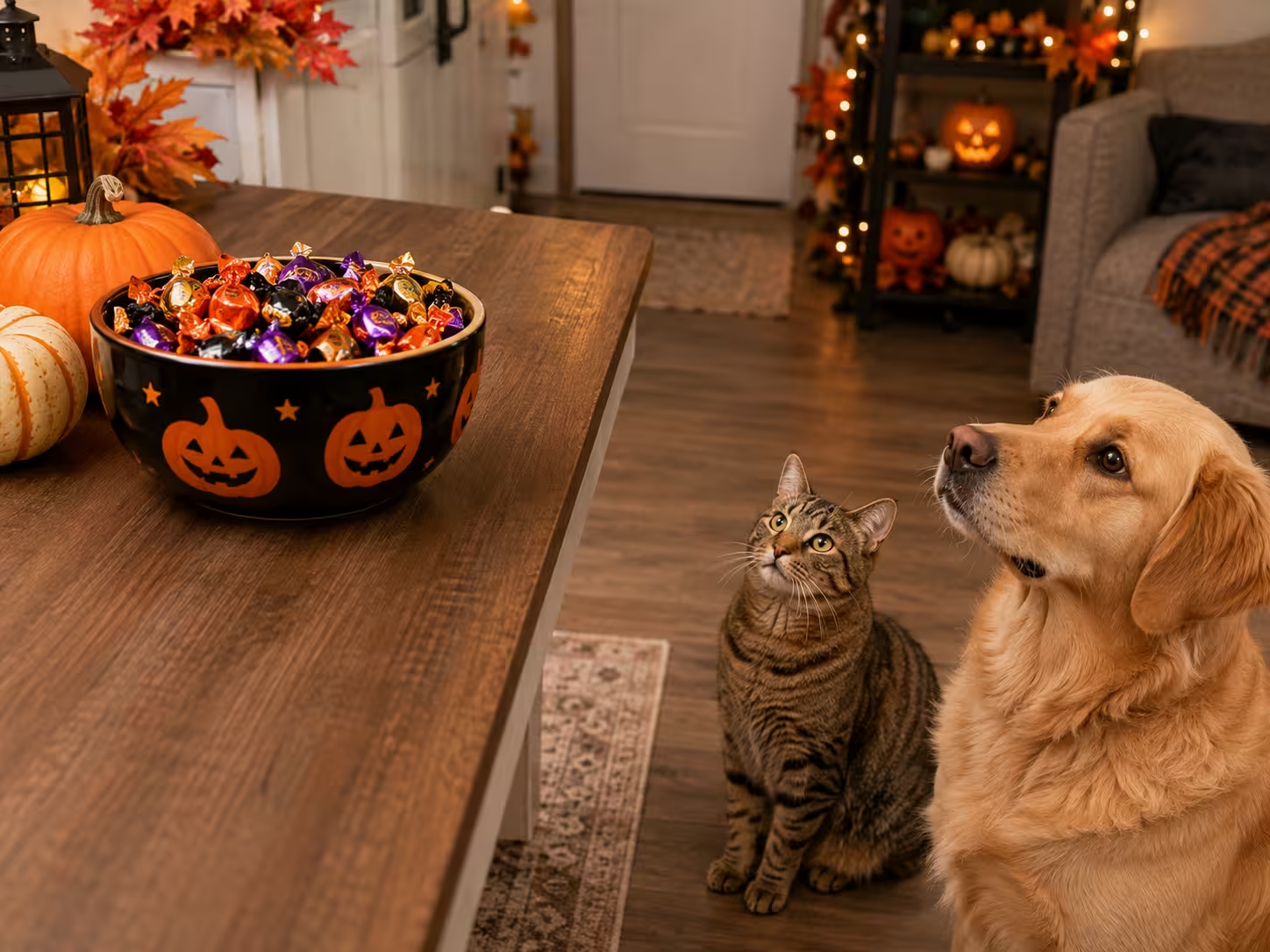
Keep all Halloween candy and wrappers completely out of reach of cats and dogs. Chocolate can poison pets, while sugar-free candy, gum, and some baked goods may contain xylitol, which is particularly dangerous to dogs. Swallowed foil or cellophane wrappers can also create choking or intestinal-blockage risks.
If you know or suspect that your pet swallowed candy, gum, or a wrapper, contact your veterinarian or an animal poison-control service promptly. Keep the product packaging so the ingredients and amount can be identified. Do not wait for symptoms or induce vomiting unless a veterinary professional specifically instructs you to do so. For more information, see the ASPCA Animal Poison Control Center’s Halloween guidance.
Keep Costumes Simple and Supervised
If your pet wears a Halloween costume, make sure it does not restrict movement, breathing, vision, or hearing. Avoid dangling decorations and small pieces that could be chewed or swallowed, and never leave a costumed pet unattended.
Remove the outfit if your pet freezes, crouches, repeatedly scratches at it, tries to escape, or otherwise appears uncomfortable. A festive bandana—or no costume at all—is perfectly acceptable.
For detailed advice about choosing, fitting, and introducing an outfit, read our guide to dressing your pet for Halloween. For costume ideas, see our Halloween cat costume guide or Halloween dog costume guide.
Keep Halloween Decorations Pet-Safe
Halloween decorations can be tempting for curious cats and dogs. Keep candles, electrical cords, string lights, fake cobwebs, and small decorations where pets cannot chew, swallow, pull, or knock them over.
Use extra caution with open flames. A curious pet can easily tip over a candle or brush against it, so battery-operated candles are generally a safer choice around animals.
Decorative items with strings, ribbons, or small removable pieces should also stay out of reach, especially if your pet tends to chew or play with unfamiliar objects. Check decorations regularly throughout the evening to make sure nothing has fallen onto the floor.
Unplug decorative electrical items when they are not being supervised, and contact a veterinarian promptly if your pet suffers a burn, chews a live electrical cord, or swallows string, ribbon, fake cobweb material, or another decoration. The ASPCA’s Halloween safety guidance also warns that candles can cause burns or fires and chewed electrical cords can cause serious injury.
Give Your Pet a Quiet Place During Trick-or-Treating
Frequent doorbell ringing, knocking, costumes, and unfamiliar visitors can be stressful for pets. Cats may try to hide or slip through an open door, while dogs may become overly excited, anxious, or protective.
Before trick-or-treating begins, set up a comfortable indoor space away from the front door with your pet’s bed, water, favorite toys, and familiar blankets. Closing the curtains and playing soft music or white noise can also help reduce outside stimulation.
Make sure your pet is wearing current identification, and keep doors, gates, and windows secure throughout the evening. If your dog becomes anxious around visitors, use a baby gate, closed room, or another safe barrier rather than repeatedly bringing them to the door.
Keep Cats and Dogs Indoors on Halloween Night
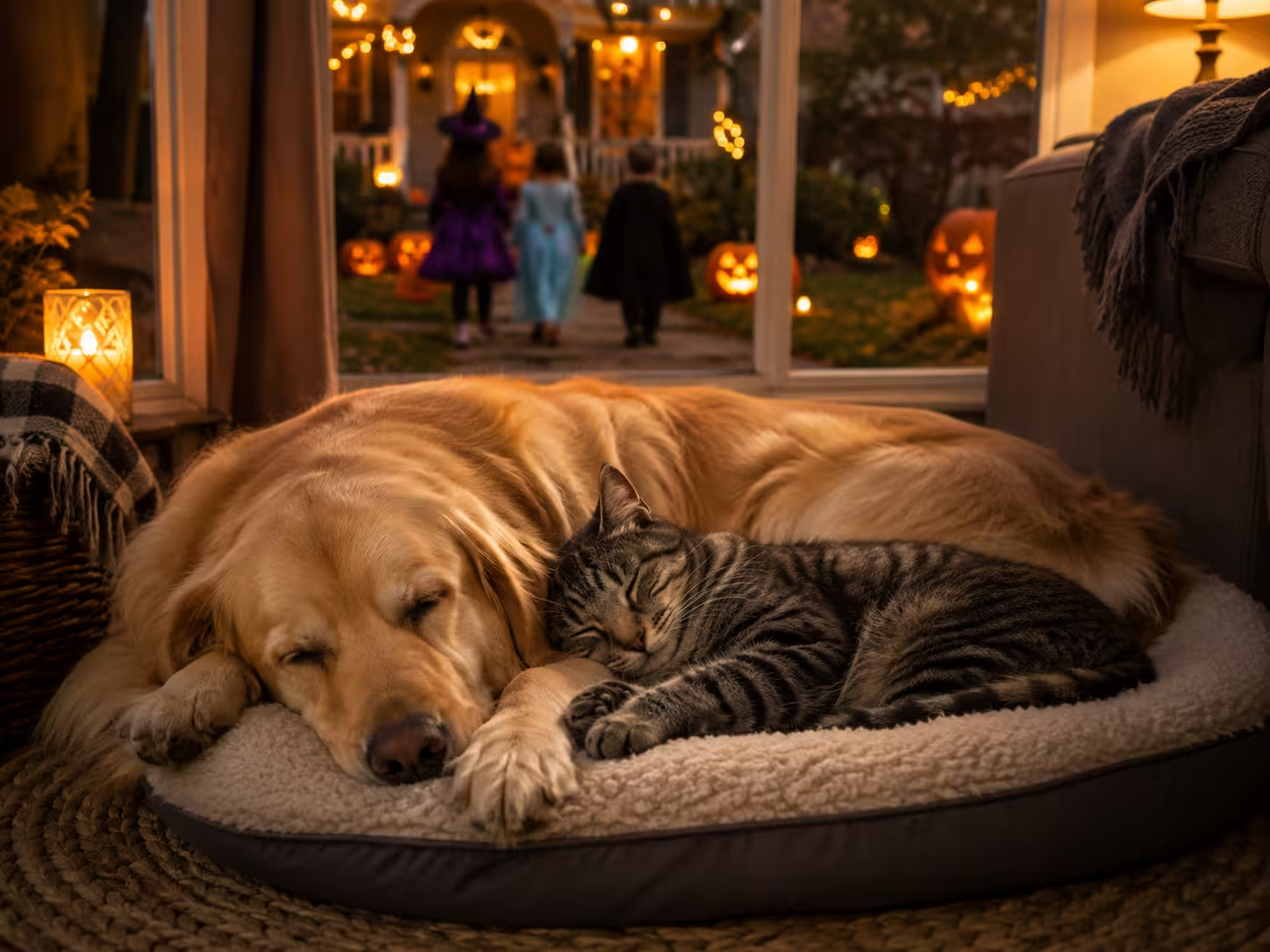
Halloween night usually means more people, vehicles, noise, costumes, and unfamiliar activity than usual. Even pets that normally spend time outside may be safer indoors during the busiest trick-or-treating hours.
Keep cats inside and supervise dogs closely whenever they go outdoors. Use a leash for bathroom breaks and walks, even if your dog is normally reliable off-leash, because sudden noises or unusual costumes may startle them.
Before the evening begins, check that your pet’s collar tag and microchip contact information are current. If a door or gate is accidentally left open, up-to-date identification can make it easier for a lost pet to be reunited with you.
Give Your Pet a Safe Way to Join the Fun
Your pet does not need to wear a costume or greet trick-or-treaters to be part of Halloween. Simple activities at home can make the evening enjoyable without adding unnecessary stress.
Try offering a favorite toy, a food puzzle, or a few pet-safe treats in a quiet room. You can also take seasonal photos earlier in the day, before visitors arrive and the neighborhood becomes busy.
For pets that enjoy attention and tolerate accessories well, a comfortable bandana, bow tie, or lightweight costume can be enough. Keep sessions short and stop if your pet appears uncomfortable or wants to leave.
Watch for Signs Your Pet Is Stressed
Halloween can overwhelm some pets even when there is no obvious danger. Watch for changes in body language and behavior throughout the evening.
Possible signs of stress include:
- Trying to hide, escape, or move away
- Freezing or becoming unusually stiff
- Crouching, lowering the body, or tucking the tail
- Flattening or pulling the ears back
- Trembling, pacing, or panting when the pet is not hot
- Repeated lip licking, yawning, or avoiding eye contact
- Dilated pupils or rapid tail swishing in cats
- Growling, hissing, barking, swatting, or showing teeth
Do not punish these warning signs. Stop the interaction, remove the costume if one is being worn, and give your pet access to a quiet, secure space. If severe anxiety occurs regularly, discuss it with your veterinarian or a qualified behavior professional. Learn more from the ASPCA’s guidance on fear signals in dogs and anxiety in cats and dogs.
If your pet seems overwhelmed, remove them from the activity and give them a quiet, familiar place to settle. There is no need to encourage them to participate in Halloween activities if they would rather be left alone.
Final Thoughts
Halloween can be enjoyable for pets when their comfort and safety come first. Keep candy and decorations out of reach, supervise costumes, secure doors and gates, and give your cat or dog a quiet place to retreat if the evening becomes overwhelming.
Not every pet wants to participate in costumes or greet visitors, and that’s perfectly fine. A favorite treat, toy, or calm evening indoors can be just as good a way for them to enjoy Halloween with you.
Frequently Asked Questions
Can dogs eat Halloween candy?
No. Chocolate can be toxic to dogs, and sugar-free candy may contain xylitol, which can be especially dangerous. Keep all Halloween candy and wrappers out of reach and contact a veterinarian promptly if your dog eats something potentially harmful.
Can pets wear Halloween costumes safely?
Some pets tolerate lightweight, properly fitted costumes, while others become stressed or uncomfortable. A costume should never restrict movement, breathing, vision, or hearing, and pets should always be supervised while wearing one. For complete fitting and introduction guidance, see our guide to dressing your pet for Halloween.
Should pets stay indoors on Halloween?
Keeping pets indoors during the busiest Halloween hours is generally the safer option because of increased traffic, noise, visitors, and frequently opening doors. Dogs should be supervised and leashed when taken outside.
How can I keep my pet calm during trick-or-treating?
Give your pet a quiet room away from the front door with water, bedding, toys, and familiar items. Closing curtains and using soft music or white noise may also help reduce stimulation.