
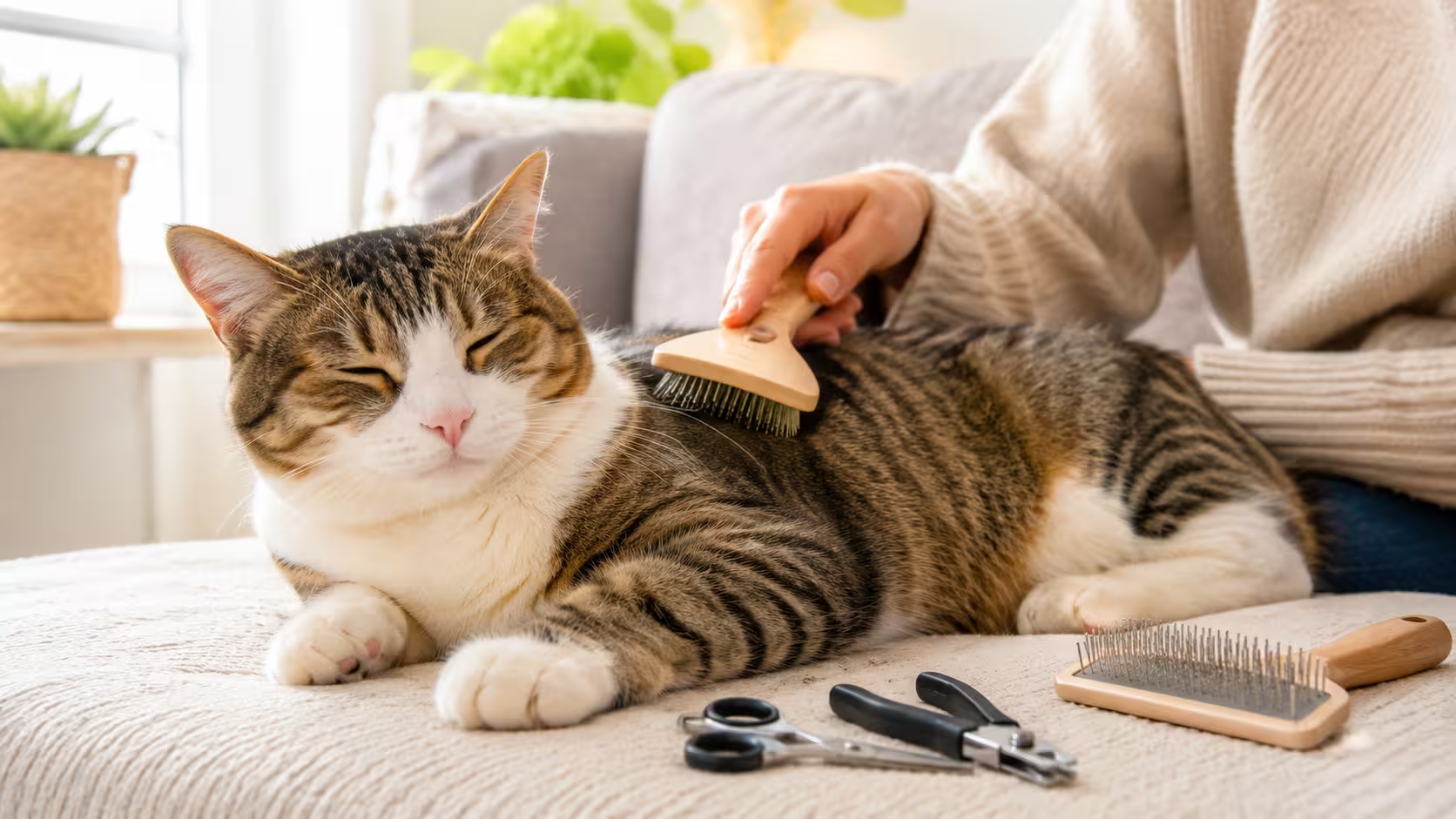
Cats are naturally good at keeping themselves clean, but that doesn’t mean they never need help with grooming. Regular brushing, occasional nail trims, and simple checks of the coat, skin, ears, and paws can help keep your cat comfortable and make it easier to notice potential problems early.
Your cat’s grooming needs will depend on their coat length, age, health, and how well they are able to groom themselves. Long-haired cats usually need more help than short-haired cats, while senior or less-mobile cats may also benefit from additional grooming.
For a broader overview covering both cats and dogs, see our at-home pet grooming guide.
Here’s how to handle the basics safely at home.
Disclosure: This post may contain affiliate links. As an Amazon Associate I earn from qualifying purchases.
What You Need to Groom a Cat at Home
You don’t need a large grooming kit. Start with a few simple tools suited to your cat.
Useful supplies may include:
- A cat brush or comb appropriate for the coat
- Cat nail clippers
- Clean towels
- Cotton pads or gauze
- Pet-safe ear cleaner if your veterinarian recommends it
- Treats for rewarding calm behavior
For long-haired cats, you may want both a slicker brush and a metal comb to help find small tangles before they develop into larger mats.
How to Brush Your Cat
Brushing is one of the most useful grooming tasks you can do at home. It removes loose fur, helps reduce tangles and mats, and gives you a chance to check the skin underneath the coat.
Short-Haired Cats
Short-haired cats generally require less brushing. One or two gentle brushing sessions per week may be enough for many cats, although heavy shedders may benefit from more frequent grooming.
Brush in the direction the fur naturally grows and use light pressure.
Pay attention to:
- Behind the ears
- Under the front legs
- Around the neck
- The belly
- Near the base of the tail
These areas can develop tangles even when the rest of the coat looks fine.
Long-Haired Cats
Long-haired cats usually need more frequent brushing—sometimes daily—to prevent tangles and mats.
Start with a brush to remove loose hair, then gently work through the coat with a comb. Don’t pull forcefully on tangles.
If you find a tight mat close to the skin, avoid cutting it out with scissors. A cat’s skin is thin and can easily become caught inside the mat.
Severe or tightly packed matting is safer for a professional groomer or veterinarian to handle.
How to Trim Your Cat’s Nails
Indoor cats may need regular nail trims even when they have scratching posts.
Choose a time when your cat is relaxed. Hold one paw gently and press lightly on the pad to extend the claw.
You’ll usually see:
- a clear or translucent sharp tip
- a pink area farther inside the nail
The pink section is the quick and contains sensitive tissue and blood vessels. Trim only the clear, sharp tip and stay well away from the quick because cutting it can cause pain and bleeding. If the claws are dark, difficult to see, or your cat will not remain calm, ask your veterinarian or a professional groomer for help. See VCA Animal Hospitals’ cat nail-trimming guide for detailed instructions.
If your cat becomes restless, there’s no need to trim every claw at once. Doing two or three nails and finishing the rest later can make nail care much less stressful.
A scratching post is also important, but it does not necessarily eliminate the need for nail trimming.
Do Cats Need Baths?
Most healthy cats rarely need a traditional bath because they groom themselves.
Bathing may occasionally be useful when:
- Something sticky or dirty gets on the coat
- Your cat gets into a substance that needs to be removed
- An older or less-mobile cat has difficulty grooming
- Your veterinarian recommends bathing for a specific reason
If a bath is necessary, use lukewarm water and a shampoo specifically formulated for cats. Products made for humans or another animal species may contain ingredients that irritate the skin or are unsuitable for cats. If your cat has persistent itching, sores, allergies, or a diagnosed skin condition, ask your veterinarian which product to use. See the ASPCA’s cat-grooming guidance for additional bathing advice.
Avoid getting water or shampoo into your cat’s eyes, ears, or nose, and rinse the coat thoroughly.
Afterward, towel-dry your cat and keep them somewhere comfortably warm.
If your cat becomes extremely frightened or aggressive during bathing, don’t force the process. A professional groomer or veterinarian may be the safer option.
Check Your Cat’s Ears
Most cats do not need frequent routine ear cleaning.
Instead, make checking the ears part of your grooming routine. Healthy ears should generally look clean without strong odor, heavy wax buildup, redness, or unusual discharge.
Watch for:
- Frequent scratching around the ears
- Head shaking
- Redness or swelling
- Strong odor
- Dark or unusual discharge
- Sensitivity when the ear is touched
Those signs should be evaluated by a veterinarian rather than simply treated as dirty ears. ASPCA guidance also recommends avoiding attempts to clean deep inside the ear canal.
If your veterinarian recommends routine cleaning, use an appropriate pet ear cleaner and gently clean only the areas you can safely see.
Check the Coat and Skin While Grooming
Brushing isn’t just about making your cat’s coat look good.
As you groom, gently check for:
- Lumps or unusual bumps
- Red or irritated skin
- Bald patches
- Scabs or sores
- Fleas or flea dirt
- Excessive dandruff
- Areas your cat repeatedly licks or scratches
Changes in coat condition can sometimes be one of the first signs that something is bothering your cat.
Contact your veterinarian if you notice persistent itching, sores, unexplained hair loss, or significant changes in the skin or coat.
Make Grooming Less Stressful
If your cat isn’t used to grooming, don’t start with a 30-minute brushing and nail-trimming session.
Introduce each activity gradually.
A simple approach is:
- Let your cat investigate the brush or nail clippers.
- Gently touch the grooming tool to your cat.
- Brush or handle a paw for a few seconds.
- Reward calm behavior with praise or a small treat.
- Gradually make future sessions longer.
Try to stop while your cat is still calm rather than waiting until they become frustrated.
Some cats prefer being groomed after eating or while resting in a favorite spot. Finding the right time can make a big difference.
If children want to help with grooming, an adult should supervise and the cat must always be allowed to walk away. Our kids and pets safety guide explains how to teach gentle handling, recognize when a cat wants space, and create child-free resting areas.
Never punish or force a cat for resisting grooming. Stop if your cat shows escalating fear, distress, or defensive behavior, and try again later with a shorter session. Gradual handling paired with treats or another reward can help build a calmer response over time. For cats that remain extremely fearful or aggressive, ask your veterinarian for guidance. This approach is consistent with the Merck Veterinary Manual’s guidance on gradual exposure and reward-based counterconditioning.
When to Use a Professional Groomer or Veterinarian
Basic brushing and nail care can often be handled at home, but some situations require professional help.
Consider a groomer or veterinarian if your cat has:
- Severe or tightly packed mats
- Nails you cannot safely trim
- Extreme fear or aggression during grooming
- Skin sores or unexplained hair loss
- Persistent ear odor or discharge
- A coat contaminated with a potentially harmful substance
- Difficulty grooming because of age or mobility problems
If you’re unsure whether something is a grooming issue or a medical problem, contact your veterinarian.
How Often Should You Groom Your Cat?
There isn’t one schedule that works for every cat.
A rough starting point is:
Short-haired cats: Brush around once or twice per week.
Long-haired cats: Brush several times per week or daily if tangles develop easily.
Nails: Check every couple of weeks and trim as needed.
Ears: Inspect regularly, but clean only when necessary or when recommended by your veterinarian.
Senior cats, overweight cats, and cats with mobility problems may require more grooming assistance because reaching every part of the body can become difficult.
Final Thoughts
Most cats don’t need elaborate grooming routines. Regular brushing, occasional nail trimming, and quick checks of the coat, skin, ears, and paws are enough for many cats.
Start slowly, keep sessions short, and pay attention to your cat’s body language. Grooming should never become a wrestling match.
Helping your cat become comfortable with gentle handling can make routine grooming easier—and can also make veterinary examinations and other types of care less stressful.
You can also explore more cat care and clothing guides.
Frequently Asked Questions
How often should I brush my cat?
Many short-haired cats do well with brushing once or twice per week. Long-haired cats may need brushing several times per week or even daily to prevent tangles and mats. ASPCA guidance similarly recommends regular brushing and notes that older cats can particularly benefit from extra grooming help.
Should I bathe my indoor cat?
Usually not. Most healthy cats keep themselves clean and rarely require baths. A bath may be necessary if the coat becomes unusually dirty or contaminated, or if your cat can no longer groom effectively.
Can I cut a mat out of my cat’s fur with scissors?
I wouldn’t. Mats can pull the skin upward into the tangled fur, making accidental cuts easy. Tight mats are better handled with appropriate grooming equipment or by a professional. ASPCA guidance specifically advises against cutting mats close to the skin with scissors.
How often should I trim my cat’s nails?
Check them every couple of weeks and trim when necessary. Growth rates vary, so use the condition of the claws rather than relying entirely on a calendar.
Does my cat need ear cleaner?
Not necessarily. Healthy cats may need little or no routine ear cleaning. If you notice odor, redness, swelling, discharge, or persistent scratching, have the ears evaluated rather than repeatedly cleaning them yourself.