

Cats spend a large part of each day asleep. Seeing your cat nap through the morning, wake briefly for food, and then settle down again can make it seem as though sleeping is their main occupation.
For most cats, this is normal. Cats naturally divide their rest into multiple naps instead of sleeping in one uninterrupted period like most people.
However, every cat has an individual routine. A sudden change in how much your cat sleeps—or how they behave when awake—can be more important than the total number of hours.
How Many Hours Do Cats Sleep?
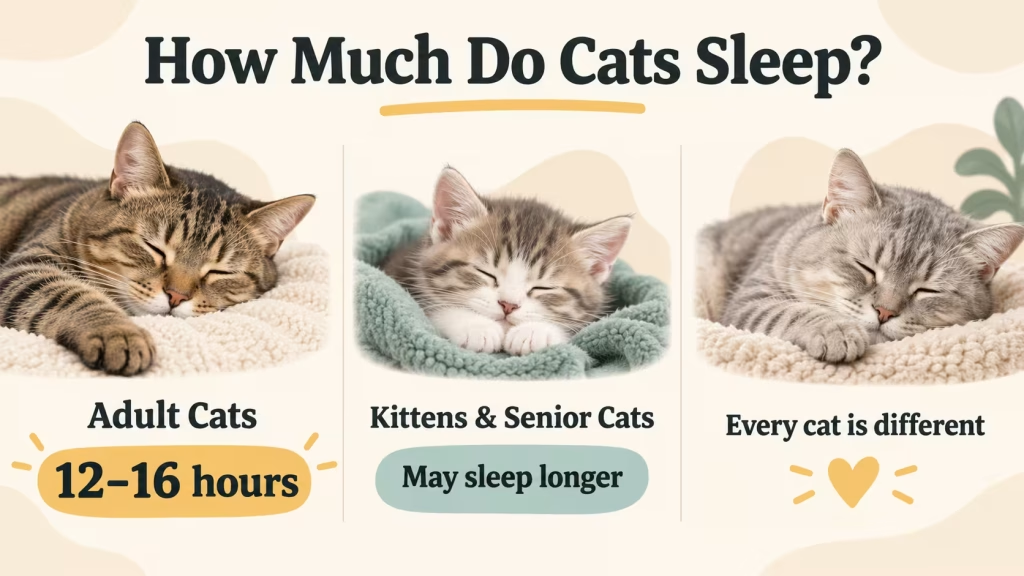
Many adult cats sleep for approximately 12 to 16 hours each day. Some may sleep more, particularly kittens, senior cats, and cats living in quiet indoor environments.
These hours are usually spread across the day and night. Your cat may take several short naps, wake to eat or explore, and then return to sleep.
According to VCA Animal Hospitals, cats commonly spend 12 to 16 hours a day napping. This helps them conserve energy for shorter periods of activity.
The amount of sleep a cat needs can vary with:
- Age
- Health
- Activity level
- Household routine
- Weather and temperature
- Mental stimulation
- Whether the cat lives indoors or outdoors
Instead of comparing your cat with a fixed number, become familiar with their normal daily pattern.
Cats Are Crepuscular, Not Strictly Nocturnal
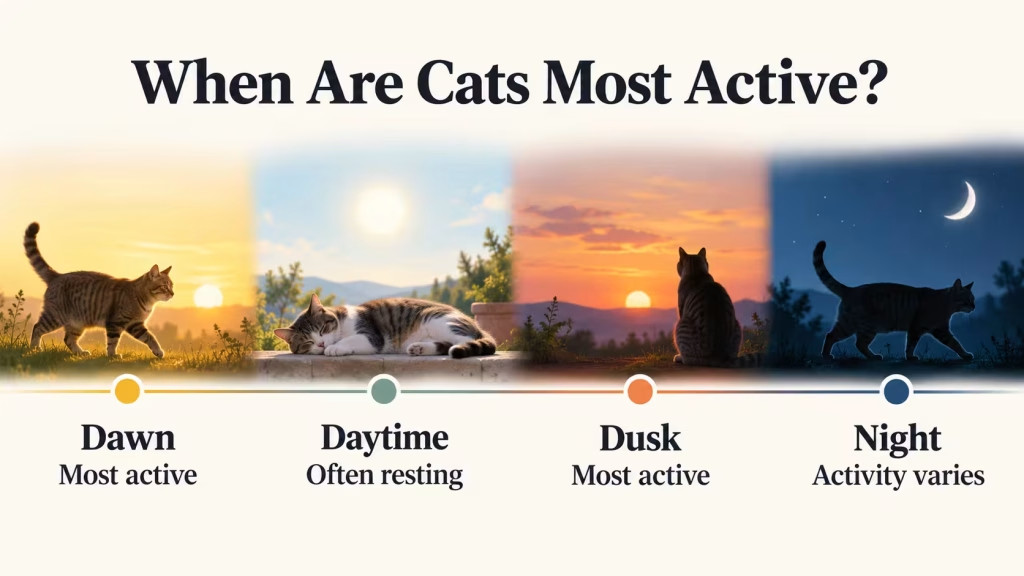
Cats are often described as nocturnal, but that is not completely accurate.
Most cats are crepuscular, meaning they are naturally more active around dawn and dusk. These are the times when their wild ancestors would have been most likely to hunt.
This explains why a cat may suddenly become energetic early in the morning or race around the house in the evening.
Indoor cats can also adjust their schedules around the people they live with. A cat may sleep while everyone is away and become active when family members return home.
Veterinary behavior specialists at VCA explain that play, feeding, and social interaction during the day and evening can help a cat’s routine better match the household.
Why Do Cats Sleep So Much?
Several factors contribute to a cat’s long sleeping hours.
Conserving Energy
Cats evolved as hunters. Hunting requires intense concentration followed by short bursts of speed, climbing, and pouncing.
Although a house cat may not need to catch food, many of these natural behavior patterns remain. Resting helps preserve energy for play, exploration, and other active periods.
Taking Frequent Naps
Not every catnap is deep sleep. Cats often rest lightly and remain aware of nearby sounds and movement.
You may notice your cat’s ears turning toward a sound even while their eyes are closed. A lightly sleeping cat can usually wake and move quickly.
During deeper sleep, the body becomes more relaxed. Cats also experience rapid eye movement, or REM, sleep. Small paw movements, whisker twitches, or quiet sounds may occur while a cat is asleep.
Occasional gentle twitching during sleep is usually different from violent movements, prolonged shaking, or difficulty waking. Contact your veterinarian if you are uncertain about unusual movements.
Following the Household Routine
Cats are good at learning daily patterns. Feeding times, work schedules, play sessions, and bedtime routines can all influence when they sleep.
A cat that receives little stimulation while alone may sleep for much of the day. They may then be ready to play just as everyone else is preparing for bed.
Seeking Warmth and Security
Cats generally choose sleeping places where they feel warm, comfortable, and protected.
Common sleeping locations include:
- Sunny windows
- Soft beds and blankets
- Elevated shelves or cat trees
- Quiet rooms
- Closets or covered beds
- Places close to a trusted person
Every cat should have access to a quiet place where they can rest without being disturbed. This is especially important in homes with children or multiple pets. Our guide to keeping children, dogs, and cats safe together explains how to give pets space and recognize when they want an interaction to end.
How Age Affects a Cat’s Sleep
A cat’s sleep pattern can change throughout life.
Kittens
Kittens need plenty of sleep while their bodies grow and develop. They often alternate between energetic play and long periods of rest.
A kitten should still wake normally, eat regularly, play, and respond to people or activity around them.
Adult Cats
Healthy adult cats commonly establish a predictable routine. Their sleep is usually divided between daytime naps, nighttime rest, and active periods around morning and evening.
Senior Cats
Older cats may spend more time resting. Changes in mobility, vision, hearing, and general health can also affect where and when they sleep.
Do not automatically assume every behavioral change is simply part of aging. Pain or illness can cause a senior cat to become less active, hide more often, stop jumping, or neglect normal grooming.
If your older cat has trouble maintaining their coat, our guide to grooming your cat at home explains how to provide gentle assistance and identify changes that may need veterinary attention.
Can You Change Your Cat’s Sleep Schedule?
You cannot—and should not—stop a cat from getting the rest they need. However, you may be able to shift some of their active time away from the middle of the night.
Try these steps:
- Schedule short interactive play sessions during the day and early evening.
- Use toys that encourage chasing, pouncing, and climbing.
- Provide scratching posts, window perches, and safe places to explore.
- Consider puzzle feeders or food-dispensing toys for mental stimulation.
- Keep feeding and bedtime routines reasonably consistent.
- Avoid rewarding unwanted nighttime activity with immediate food or attention.
Do not force your cat to stay awake for long periods. The goal is to provide appropriate activity and enrichment, not to prevent normal sleep.
When Should You Be Concerned About Your Cat’s Sleep?
The number of hours your cat sleeps is less important than an unexplained change from their usual behavior.
Contact your veterinarian if your cat suddenly begins sleeping much more or less than normal, especially when the change appears alongside:
- Reduced appetite
- Increased thirst
- Weight loss or weight gain
- Vomiting or diarrhea
- Hiding or avoiding interaction
- Unusual aggression or irritability
- Reduced grooming
- Difficulty walking or jumping
- Changes in litter-box use
- Disorientation or excessive vocalization
- Weakness or unusual tiredness while awake
The American Animal Hospital Association advises that significant behavior or personality changes can be associated with pain, stress, or illness and should be discussed with a veterinarian.
Seek urgent veterinary help if your cat has difficulty breathing, collapses, cannot stand, appears unresponsive, or experiences prolonged or repeated seizure-like movements.
Frequently Asked Questions
Is it normal for my cat to sleep all day?
It can be normal for a cat to spend much of the daytime resting, particularly when the home is quiet. Pay attention to whether your cat wakes normally and continues to eat, play, groom, and use the litter box as usual.
Why does my cat become active at night?
Cats are naturally most active around dawn and dusk. A cat may also sleep during the day because the household is quiet and then seek food, play, or attention when people return home.
Do cats dream?
Cats experience REM sleep, which is associated with dreaming in people and other mammals. You may notice small twitches of the paws, whiskers, or tail while your cat sleeps.
Should I wake a sleeping cat?
A comfortable sleeping cat should generally be allowed to rest. If you must wake your cat, call their name or make a gentle sound instead of touching or startling them suddenly.
Why is my senior cat sleeping more?
Senior cats may rest more as their activity level changes. However, a noticeable increase in sleep combined with stiffness, reduced grooming, appetite changes, hiding, or difficulty jumping should be discussed with a veterinarian.
Final Thoughts
Sleeping for much of the day is normal for many cats. They naturally conserve energy, take frequent naps, and become more active around dawn and dusk.
What matters most is knowing your own cat’s normal routine. If their sleeping habits change suddenly or the change is accompanied by other symptoms, contact your veterinarian.
For more practical information about feline comfort, clothing, grooming, and safety, explore our cat guides.